01
Former Pro-Rector for Research and Graduate Studies
Former senior university administrator at UEM with strategic responsibility for institutional research policy, postgraduate education, scientific development, and research-support initiatives.

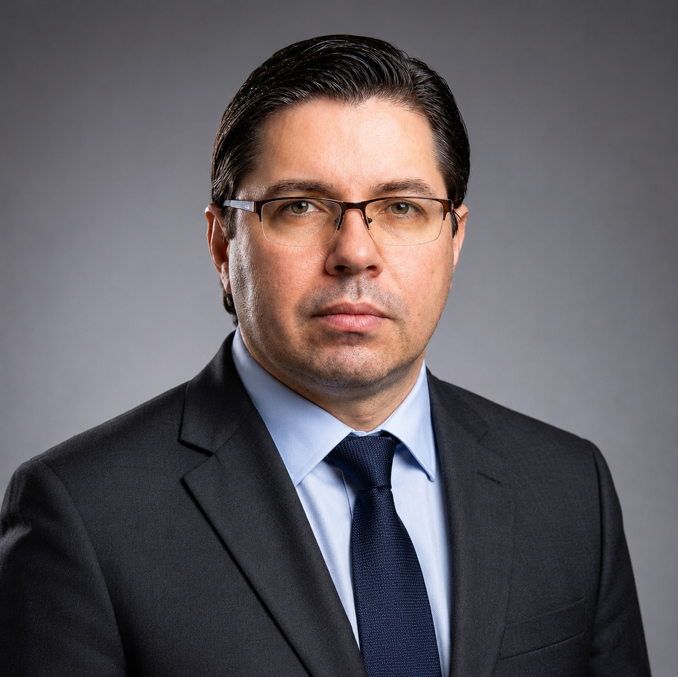
Luiz Fernando Cótica is a physicist, professor, and materials scientist whose academic trajectory is centered on the synthesis, investigation, and advanced characterization of functional materials. He holds bachelor's, master's, and doctoral degrees in Physics from the State University of Maringá (UEM) and completed postdoctoral research at the University of Texas at San Antonio.
His research encompasses magnetic, ferroelectric, multiferroic, ceramic, nanostructured, and multifunctional materials, with particular interest in structure–property relationships and the development of materials for technological and biomedical applications.
His scientific activity increasingly connects materials science with biomedical technologies, sustainable energy, and computational approaches, including machine-learning methods for the prediction and interpretation of material properties.
Former senior university administrator at UEM with strategic responsibility for institutional research policy, postgraduate education, scientific development, and research-support initiatives.
Former Coordinator of the Graduate Program in Physics at UEM (2022–2024), with experience in postgraduate governance, researcher training, and academic planning.
Research Productivity Fellow — Level 2, reflecting sustained scientific productivity and leadership in Physics, functional materials, and materials-related research.
Permanent faculty member in Environmental Biotechnology and active participant in research and innovation networks, including scientific leadership in multifunctional materials, nanostructured systems, and translational applications.
Cótica maintains active engagement with national and international scientific communities through conferences, collaborative research networks, scientific presentations, academic partnerships, and institutional internationalization initiatives.
His international academic experience includes postdoctoral research and continued scientific collaboration with the University of Texas at San Antonio. Recent collaborative activities include machine-learning approaches and neural-network models for the prediction of properties in ferroelectric and perovskite materials.
He has also contributed to institutional internationalization initiatives involving expanded research collaboration, academic mobility, and international scientific partnerships.
His scientific activities are closely connected with advanced research infrastructure at UEM. He participates in the coordination of electron microscopy facilities within the university's Central Research Support Complex (COMCAP), including infrastructure for scanning and transmission electron microscopy.
His research environment also includes infrastructure dedicated to chemical synthesis, magnetic measurements, X-ray diffraction, electrical characterization, ferroelectric and dielectric measurements, and thermal processing.
As Deputy Editor-in-Chief of the Journal of Digital Health and Advanced Biomaterials, Luiz Fernando Cótica contributes to the journal's scientific direction, editorial governance, scope development, and evaluation of research involving advanced biomaterials, nanomaterials, materials characterization, and interdisciplinary biomedical technologies.
His editorial contribution is particularly relevant to the assessment of experimental evidence involving material synthesis, physicochemical characterization, microscopy, structure–property relationships, analytical methodology, and the translation of materials-science findings toward biomedical and technological applications.
Multifunctional superparamagnetic iron-oxide nanoparticles combining chitosan coating, magnetic characterization, cytocompatibility, MRI, magnetic hyperthermia, and drug-delivery perspectives.
DOI →Biomedical investigation of iron-oxide magnetic nanoparticles functionalized with doxorubicin, integrating nanomaterials, magnetic targeting, oxidative-stress mechanisms, and breast-cancer cell response.
DOI →Electrospun PVDF–hydroxyapatite composite scaffolds investigated for morphology, piezoelectric phase formation, bioactivity, and cytocompatibility in advanced biomedical applications.
DOI →Study of magnetically controlled electroporation using core–shell magnetoelectric nanoparticles, linking multiferroic materials, magnetic-field response, and cellular permeation.
DOI →Structural, electric, magnetic, and Mössbauer investigation of multiferroic solid solutions, with emphasis on phase coexistence and ferroic behavior.
DOI →High-energy mechanical processing and reactive sintering of multiferroic ceramics, connecting synthesis conditions, microstructure, and ferroic properties.
DOI →Adaptable rheometer conceived for integration with a universal testing machine.
Nanobiocomposite platform combining magnetite and an endophytic fungus for textile-dye bioremediation.
Biotechnological nanobiocomposite process directed toward control of the sugarcane borer.
Device for generating tunable alternating magnetic fields with variable frequency and amplitude.
Applied nanobiotechnology integrating endophytic microorganisms and magnetic nanoparticles for dye bioremediation and material reuse.

Chapter connecting magnetoelectric nanoparticle physics with nanomedicine and emerging strategies for gynecologic oncology, coauthored by Denise Alanis and Luiz Fernando Cótica.
DOI →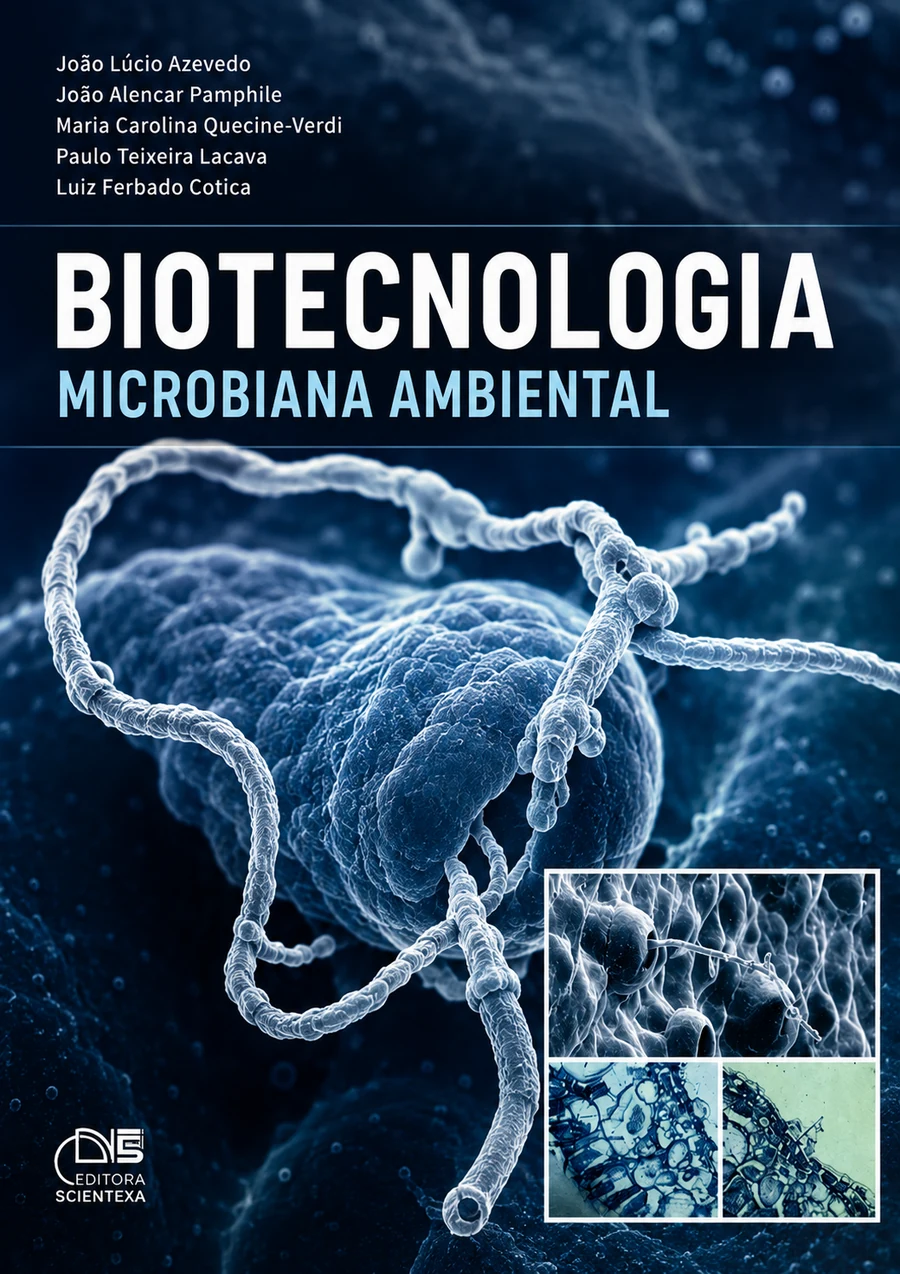
Chapter by A. Garcia, Luiz Fernando Cótica, P. N. Oliveira, and S. A. Rhoden addressing nanotechnology at the interface with microorganisms and environmental biotechnology.
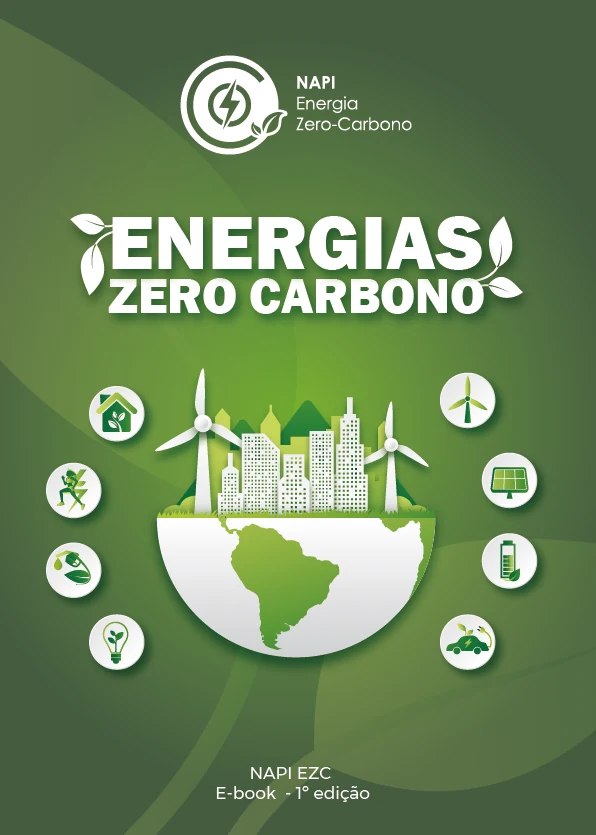
Collective scientific work addressing zero-carbon energy, emissions mitigation, renewable generation, energy harvesting, storage technologies, batteries, supercapacitors, and green hydrogen. Luiz Fernando Cótica is listed among the authors.
DOI →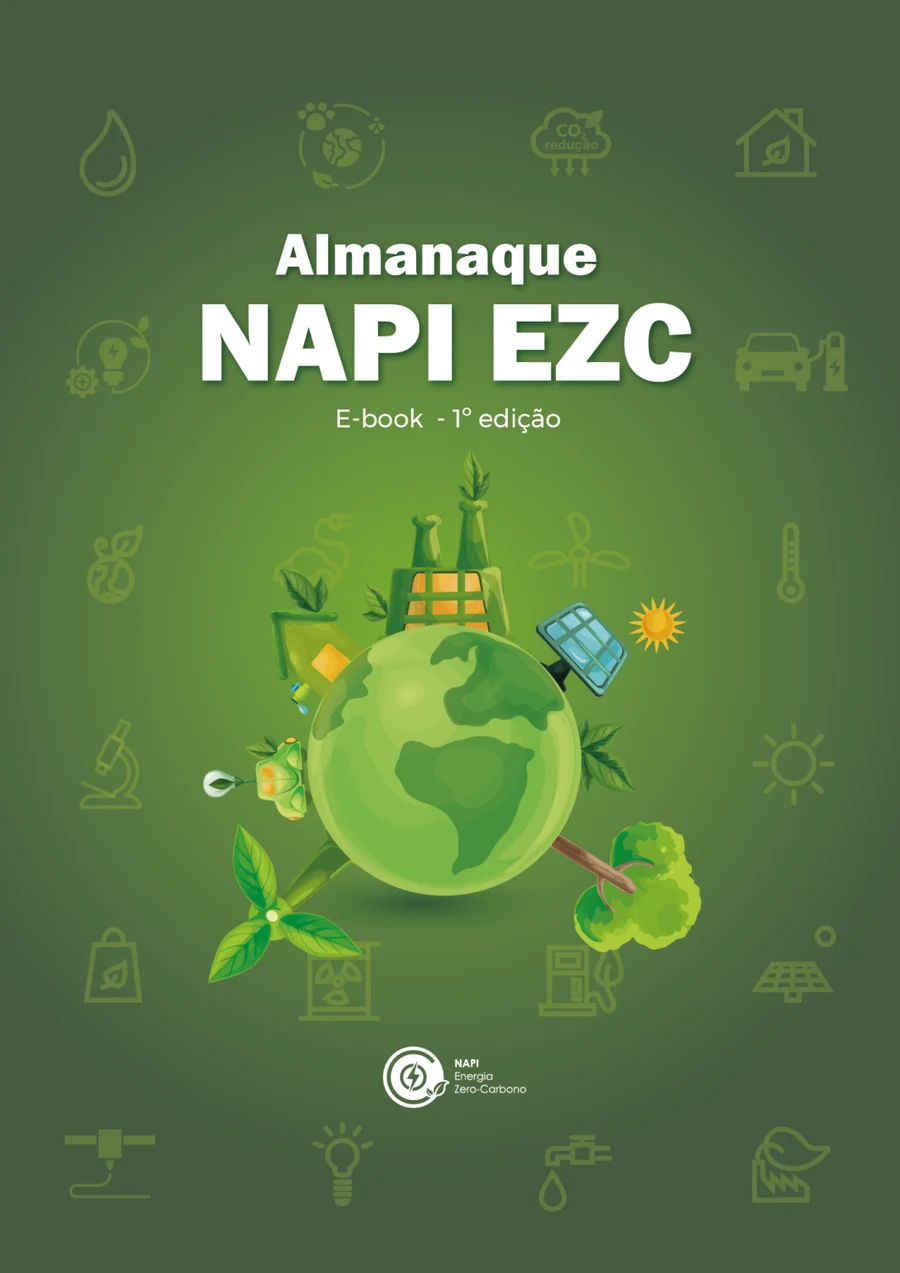
Collaborative publication of the NAPI Energia Zero-Carbono network presenting emerging sustainable-energy technologies, greenhouse-gas mitigation, electric vehicles, photovoltaic systems, energy harvesting, magnetic sensors, circular economy, and energy-efficiency research.
DOI →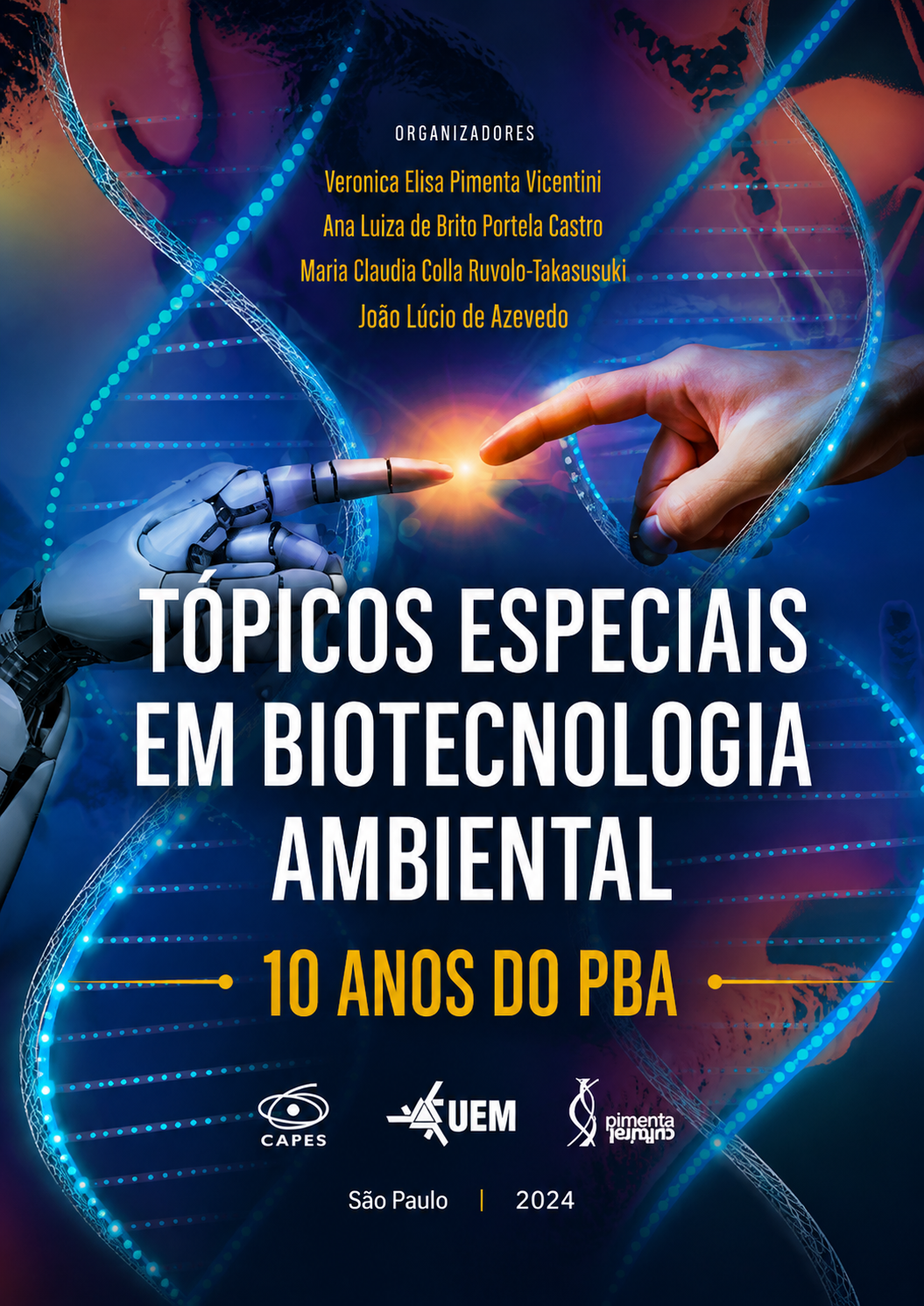
Chapter by Andressa Domingos Polli, Elisa Parcero Hernandes, and Luiz Fernando Cótica focused on the development and application of nanomaterials and nanoparticles within environmental biotechnology.
Book DOI →Cótica's expertise provides a fundamental materials-science perspective within the multidisciplinary structure of JDHAB. His background supports the rigorous assessment of studies in which material composition, synthesis, morphology, microstructure, physicochemical properties, and analytical characterization are central to the interpretation of biomedical performance.
This perspective is particularly important for research involving advanced biomaterials, magnetic and multifunctional nanomaterials, biomedical devices, diagnostic or therapeutic technologies, and emerging material systems in which claims of biological or clinical relevance must be supported by adequate physical and physicochemical characterization.
His experience at the interface of experimental materials science, biomedical applications, scientific infrastructure, nanomedicine, intellectual property, scientific publishing, machine learning, innovation, and international collaboration complements the clinical and digital-health expertise of the journal's broader editorial structure.